What You Should Eat and Drink After Wisdom Teeth Removal in Oxnard CA
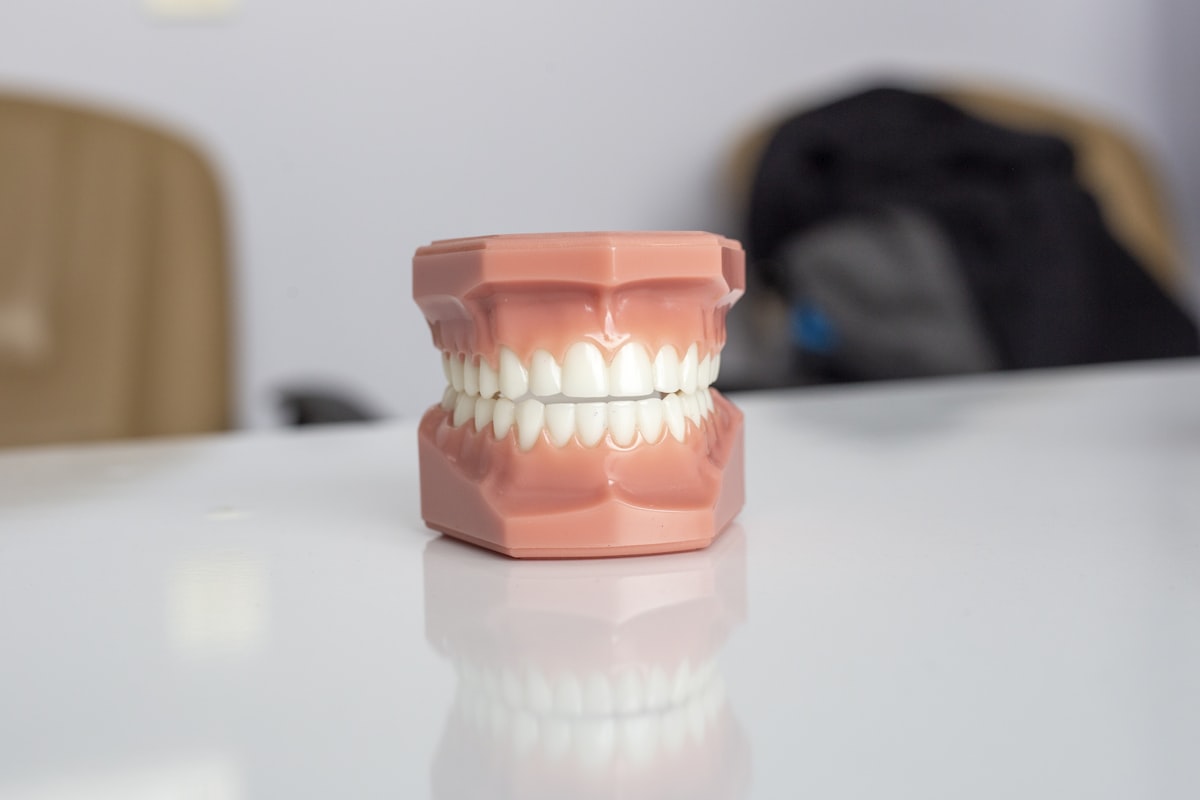
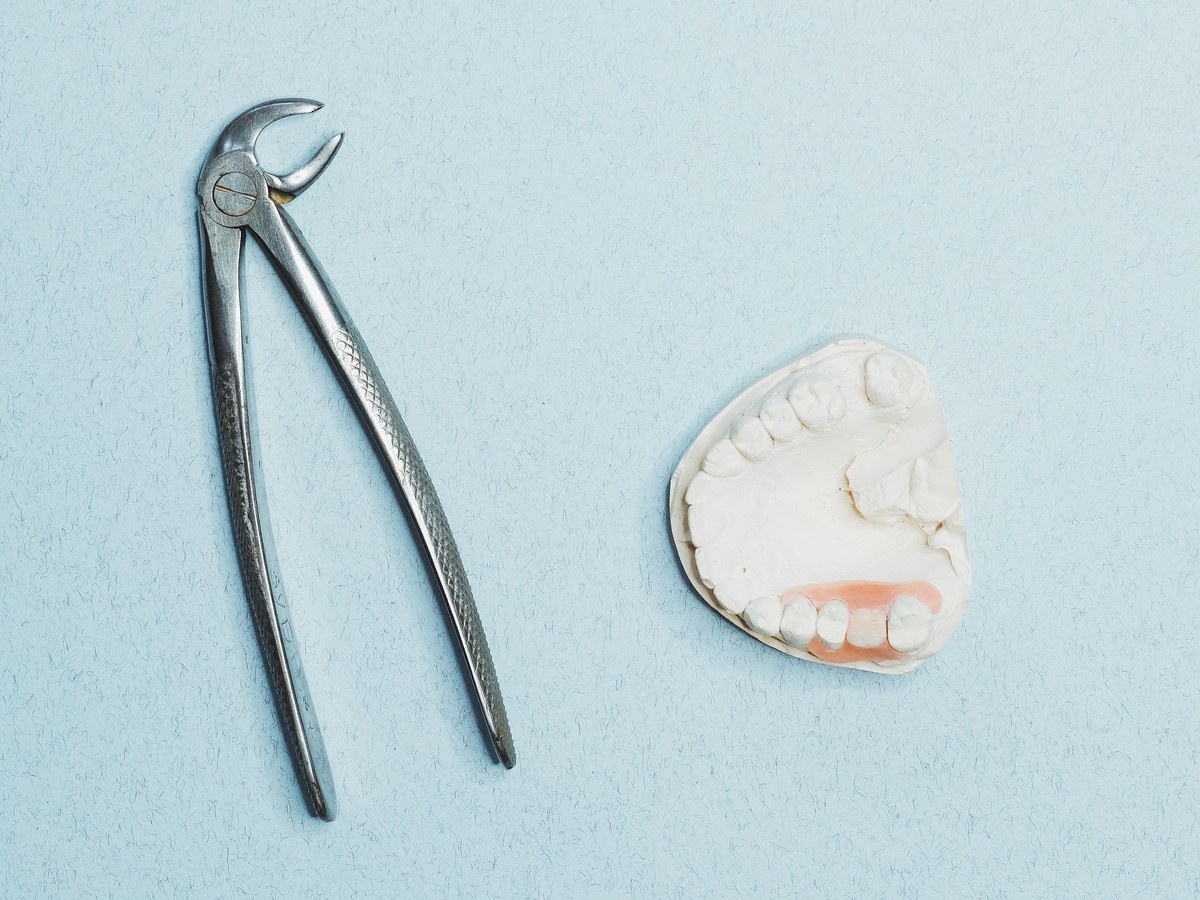
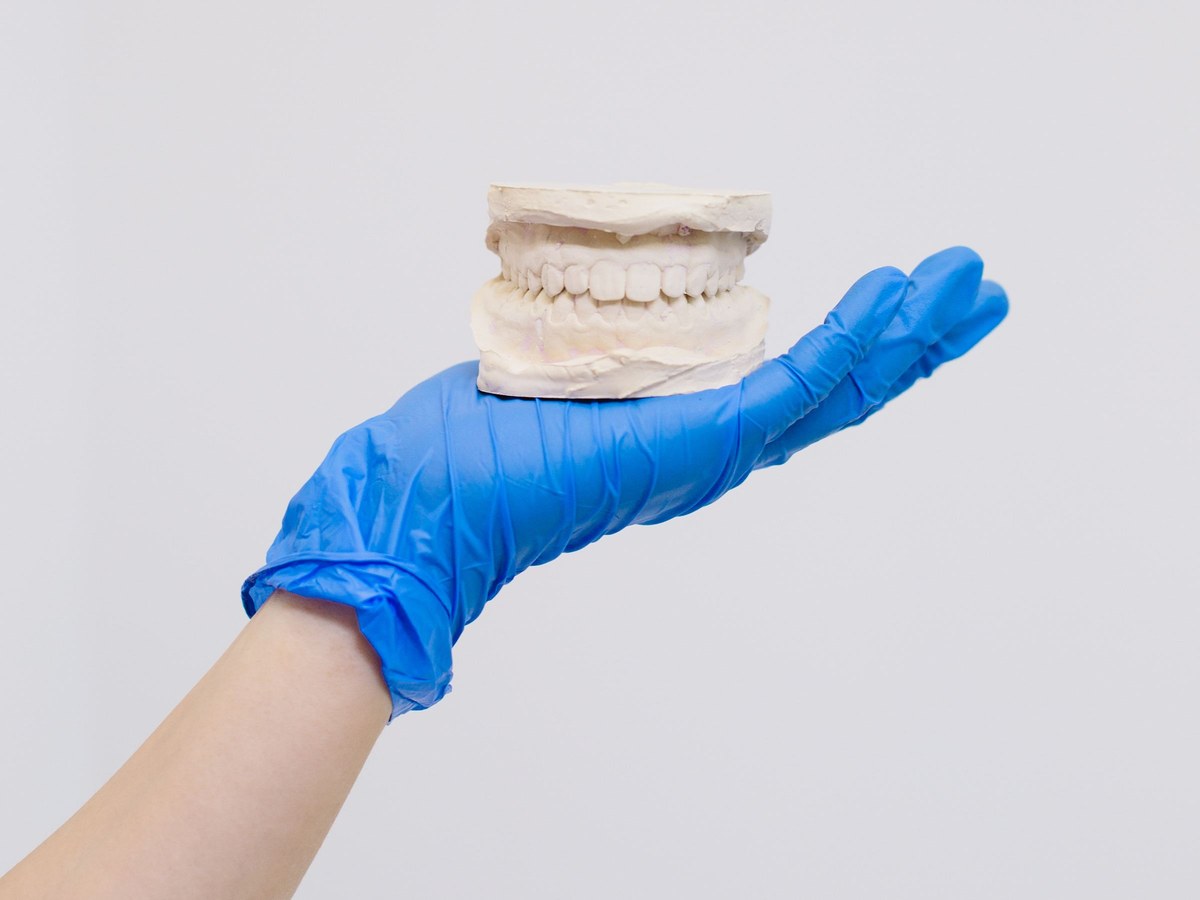
Wisdom teeth recovery is usually more about discipline than discomfort. Most patients can manage the soreness. What trips people up is food. They get hungry, reach for something familiar, and suddenly the extraction sites are irritated, bleeding a little more than expected, or throbbing by evening. The first few days matter, and what you eat and drink can either protect the healing tissue or set it back.
If you are planning for Wisdom Teeth Removal Oxnard CA, it helps to think beyond the surgery itself. The best recoveries often start before the appointment, with a stocked refrigerator, a few soft meals ready to go, and a clear sense of what is safe on day one versus day four. People who prepare tend to eat better, stay hydrated, and avoid the common mistake of testing crunchy foods too early.
Why food choices matter so much after wisdom teeth removal
When wisdom teeth are removed, the body forms a blood clot in each extraction site. That clot is not a minor detail. It protects the underlying bone and nerves while new tissue develops. Food that is too hard, too hot, too spicy, or too crumbly can disturb that clot or inflame the area around it. Suction from a straw can do the same. So can vigorous rinsing in the first day or two.
This is why the aftercare instructions can sound strict. Dentists and oral surgeons are not trying to make eating difficult. They are trying to help you avoid a painful setback, especially dry socket, which tends to feel far worse than the routine soreness of healing. In practical terms, your menu should focus on foods that slide down easily, require very little chewing, and do not leave gritty particles behind.
There is also the issue of swelling. Swelling usually peaks around the second or third day, which means even if you feel decent right after the appointment, chewing may become more awkward before it gets easier. Planning soft foods for several days, rather than just the first night, is the smarter move.
The first 24 hours, keep it simple and cool
The day of surgery is not the time for experimentation. Your mouth may still be numb, your jaw may feel stiff, and you may not have much appetite. That is normal. What your body does need is fluids, calories, and something gentle enough not to disturb the extraction sites.
Cool or room temperature foods usually feel best at first. Very hot soup, fresh coffee, and steaming oatmeal can increase bleeding early on and are better saved for later. Smooth textures are ideal. Think less about a full meal and more about easy nourishment you can manage in small amounts.
Good choices during the first day include:
- Applesauce
- Plain yogurt
- Smooth mashed potatoes
- Protein shakes eaten with a spoon if possible
- Ice cream or sorbet, as long as there are no crunchy mix-ins
A note on protein shakes, because they are popular for good reason. They can help if you are not up for real food, especially after sedation or if chewing feels impossible. The problem is not the shake itself. The problem is the straw. If you have a shake, sip it from a cup or eat a thicker one with a spoon. That one adjustment can spare you a lot of trouble.
Patients often ask about smoothies. Smoothies can be excellent after wisdom teeth removal, but texture matters. Tiny berry seeds, chia seeds, flax, and granola are poor choices right away because they can work their way into the sockets. A smooth banana, yogurt, and peanut butter blend is far safer than a mixed berry smoothie full of seeds.
Hydration is not optional, especially in Oxnard
Oxnard’s weather is milder than many inland parts of Southern California, but dry mouth and mild dehydration still show up often after oral surgery. People breathe through their mouth more when their jaw is sore or when they have gauze in place. Some also drink less because swallowing feels strange at first. Add a pain medication that makes you sleepy, and it becomes easy to go half a day without enough fluid.
That is a mistake. Hydration supports healing, helps your body process medications, and can make you feel more like yourself. Water https://alexislwxc181.valoradigest.com/posts/what-to-expect-during-wisdom-teeth-removal-in-oxnard-ca is still the best default. Cool water is usually easiest. If plain water feels boring, diluted juice, electrolyte drinks with moderate sugar, or cold herbal tea can work well. The goal is steady sipping, not chugging.
What you want to avoid is just as important. Alcohol is off the table while you are healing, especially if you are taking prescription pain medication or antibiotics. Carbonated drinks can be uncomfortable for some people in the first day or two. Very acidic drinks, such as strong orange juice or lemonade, may sting. And again, no straws.
One pattern I have seen repeatedly is that patients who keep a water bottle beside them and take a few sips every 15 to 20 minutes do much better than patients who wait until they feel thirsty. Thirst is not a reliable recovery strategy.
What to eat on days two and three
This is the phase when your appetite often returns, but your mouth may still not cooperate. Swelling can peak here, and you may be tired of sweet foods. That is when soft savory meals become important.
Mashed potatoes remain useful, but this is also the time for foods like scrambled eggs, cottage cheese, blended soups cooled to warm rather than hot, soft noodles cut into small bites, and oatmeal if it has cooled enough. Refried beans can work well. So can avocado mashed until smooth. If you want more substance, very soft mac and cheese is often tolerated better than people expect, provided you take small bites and chew away from the extraction sites.
Temperature matters more than people think. Ice cold can soothe. Warm can comfort. Piping hot is where trouble begins. If you can feel steam rising off the bowl, give it a few more minutes.
This is also when people start asking, “Can I eat rice yet?” Rice is tricky. It seems soft, but individual grains can lodge where you do not want them. The same goes for quinoa and couscous. Tiny particles are annoying in a healthy mouth and more than annoying in a healing socket. It is usually worth waiting a little longer.
Protein helps healing, but it needs the right form
After oral surgery, many people end up eating mostly pudding, applesauce, and ice cream. That is understandable for a day. It is not ideal for several days in a row. Your body needs protein for tissue repair, and if you go too long without it, you may feel weak, irritable, and slower to bounce back.
Soft protein can come from several places. Greek yogurt is an easy one. Scrambled eggs are another staple. Blended bean soups can be surprisingly filling. Soft tofu, finely flaked fish once you are ready for a little chewing, and smooth nut butters mixed into oatmeal or smoothies can all help.
There is a balancing act here. You want protein, but you do not want tough meats, stringy chicken, or anything that forces wide mouth opening and repetitive chewing. Shredded meat may sound soft on paper, yet it often gets caught around the back molars and becomes more trouble than it is worth during the first few days.
Foods that routinely cause problems
Most setbacks come from texture, not nutrition. A patient may choose a food because it is healthy, but if it is crunchy, sharp, or seedy, it can still be the wrong choice during early healing. Tortilla chips, toast, crackers, popcorn, nuts, and crusty bread are obvious offenders. Less obvious are foods like strawberries with seeds, spicy salsa, and even certain salads where small bits of raw vegetable migrate everywhere.
Here are the foods and drinks most likely to irritate healing sites:
- Chips, popcorn, nuts, and pretzels
- Rice, quinoa, and other tiny grains in the first several days
- Spicy foods, especially hot sauces and pepper-heavy dishes
- Very hot drinks and soups
- Anything consumed through a straw
Crumbly foods deserve special mention. Cookies, dry muffins, and even soft bread can break apart in the mouth and create a mess near the extraction area. Patients often underestimate how much work their tongue does to clear food particles. After wisdom teeth surgery, that constant probing with the tongue can become its own source of irritation.
When you can start eating more normally
Recovery is rarely linear. One person feels ready for pasta on day three. Another is more comfortable with yogurt until day five. The best guide is not impatience, it is tolerance. If chewing increases throbbing, if food packs into the extraction sites, or if your jaw feels tired halfway through a meal, you are probably advancing too quickly.
Many patients begin reintroducing more substantial foods around day four through day seven, depending on the complexity of the extractions and whether the wisdom teeth were impacted. Soft pasta, tender fish, soft cooked vegetables, pancakes, and ground meat in small pieces may all be reasonable when chewing feels easier. You still want to avoid the hard, crunchy, and sharp foods until the tissues are clearly more stable.
It also helps to chew toward the front or on the side that feels less tender, while staying mindful not to poke at the sites. Small bites are easier to control. Large bites tend to force the jaw open wider, and that alone can be uncomfortable after surgery.
A simple rule works well here: if a food breaks cleanly, crunches loudly, has seeds, or leaves fragments behind, it can probably wait.
Smart meal ideas for a smoother week
Variety matters because appetite fatigue is real. By the second or third day, many patients are tired of sweet soft foods and start to skip meals. Skipping meals can make pain medication hit harder on the stomach and can leave you feeling lightheaded. A little planning keeps that from happening.
Breakfast can be Greek yogurt, cooled oatmeal, or scrambled eggs with mashed avocado. Lunch might be a blended butternut squash soup or potato soup cooled to warm. Dinner can be soft mac and cheese, mashed sweet potatoes, or finely blended lentil soup. Snacks can include pudding, cottage cheese, applesauce, or a smooth smoothie eaten with a spoon.
There is room for comfort food here. In fact, comfort food often works better than “perfect” food because you are more likely to eat enough of it. A bowl of smooth mashed potatoes with a little butter and a side of soft scrambled eggs may support healing better than a carefully planned meal that sits untouched because it is too difficult to chew.
Coffee, tea, soda, and other common questions
Coffee is a big one in Southern California, and many patients ask when they can have it again. The safer approach is to wait at least the first day and then be cautious with both temperature and caffeine. Hot coffee too soon can aggravate bleeding. Caffeine can also be dehydrating for some people if it replaces water rather than accompanies it. If you do return to coffee early, let it cool to lukewarm and sip gently from a cup.
Tea depends on the type. A cool or lukewarm herbal tea is usually fine. Very hot black tea, less so. Soda is not always forbidden, but carbonation can be uncomfortable, and sipping fizzy drinks right after oral surgery is not ideal. Energy drinks are best avoided, partly because of acidity and sugar, and partly because they are not a great substitute for actual hydration.
Milk is generally fine if your stomach handles it well. Some people feel a little nauseated after anesthesia or pain medication, and dairy can occasionally make that worse. If that sounds like you, choose broth, water, applesauce, and toast-adjacent softness without actual toast.
If you had difficult extractions, expect a slower return to normal food
Not all wisdom tooth removals are equal. A straightforward erupted tooth usually allows an easier recovery than a deeply impacted lower wisdom tooth that required more extensive work. Stitches, jaw soreness, swelling, and bruising can all affect what you can comfortably eat.
This is where judgment matters more than a generic timeline. If your oral surgeon told you the lower teeth were close to the nerve or that the procedure was particularly involved, it makes sense to stay on softer foods longer. That is not a setback. It is a sensible adjustment to the level of tissue healing your mouth needs.
Patients recovering from more complex Wisdom Teeth Removal Oxnard CA procedures sometimes do better with six or seven days of truly soft foods before pushing into more regular meals. That can feel tedious, but it usually beats the alternative, which is irritating the sites and prolonging the whole process.
A few signs your diet may be working against you
Your mouth usually gives clear feedback. If you notice sharper pain while eating, persistent food trapping, fresh bleeding after meals, or a bad taste that seems connected to debris collecting in the sockets, it is worth stepping back to softer foods. That does not automatically mean something is wrong. It may simply mean your menu is ahead of your healing.
Pay attention to your body as a whole, too. If you are dizzy, unusually tired, or getting headaches, you may not be drinking enough or eating enough calories. This happens more often than people admit. Recovery lowers your appetite, but your body still needs fuel.
One practical trick is to think in small, frequent meals rather than three full ones. A cup of yogurt midmorning, a bowl of soup at lunch, a smoothie in the afternoon, and mashed potatoes with eggs at dinner can add up better than trying to force one big meal through a sore jaw.
Keeping the extraction sites clean without making eating stressful
Food anxiety tends to rise when patients worry that every bite will get stuck. Some residue is normal. The goal is not a perfectly pristine mouth after every meal. The goal is gentle care.
During the earliest period, follow your surgeon’s instructions closely. Once you are cleared to rinse, warm salt water after meals can help loosen debris without harsh swishing. If you were given a syringe for irrigation later in the recovery process, use it exactly as directed. Too early or too aggressively can irritate the tissue. Too late or too little can leave food packed where it should not be.
This is another reason to choose smooth foods at first. The less cleanup required, the less likely you are to overwork the area with your tongue, toothbrush, or rinsing.
Planning ahead before your appointment in Oxnard
The easiest recovery meals are the ones already in your kitchen. If you wait until after surgery to figure it out, you may end up with whatever is available nearby, which is often not ideal. A quick grocery trip before your procedure makes a real difference.
Stock foods you will actually want to eat, not just foods that look good on a recovery checklist. If you hate cottage cheese, do not buy it because a website said it was soft. If you love potato soup, get that. If scrambled eggs usually sit well with you, have eggs ready. Comfort and familiarity count for a lot when you are tired and a little sore.
For families helping someone recover, it also helps to remember that appetite can change hour by hour. Have both sweet and savory options on hand. A teenager who rejects yogurt in the morning may gladly eat mac and cheese that evening. An adult who wants coffee right away may settle for cool water and applesauce once the numbness wears off.
When to call your oral surgeon
Diet issues are common, but severe or worsening symptoms should not be brushed off as “just healing.” If you cannot keep fluids down, if pain suddenly intensifies several days after surgery, if swelling continues to worsen rather than slowly improve, or if there is persistent bleeding that does not respond to the aftercare instructions you were given, contact your dentist or oral surgeon.
Sometimes the problem is simple, like not eating enough before taking medication. Sometimes it is a sign you need an exam. Either way, guessing is not the best plan if something feels off.
Healing after wisdom teeth removal is usually straightforward when patients respect the basics: soft foods, steady hydration, no straws, and patience with the timeline. If you are preparing for Wisdom Teeth Removal Oxnard CA, think of your recovery menu as part of the treatment, not an afterthought. A few smart choices in the kitchen can make the first week much easier, and can help your mouth heal the way it is supposed to.
Oxnard Dentistry
1730 E Gonzales Rd
Oxnard, CA 93036, United States
Phone: +1 805-307-8731
FAQ About Wisdom Teeth Removal Oxnard CA
How much does it cost to get wisdom teeth removed in California?
Fees depend on tooth position, the number of extractions, imaging and anesthesia. Oxnard Dentistry can provide an individual estimate after examining your teeth. Ask for an itemized plan and confirm insurance benefits before scheduling.
Will insurance cover wisdom teeth removal?
Coverage and out-of-pocket costs vary by policy and the treatment required. Ask the dental office and your insurer to verify benefits, annual limits and any authorization requirements. A benefit estimate does not guarantee payment.
Is 30 too old to have wisdom teeth removed?
Age alone does not determine whether extraction is appropriate. A dentist evaluates symptoms, tooth position, oral health and medical history. Healthy, functional wisdom teeth may be monitored; teeth causing disease or other problems may need treatment.