Dental Implants Bakersfield CA for Rebuilding Smile Confidence
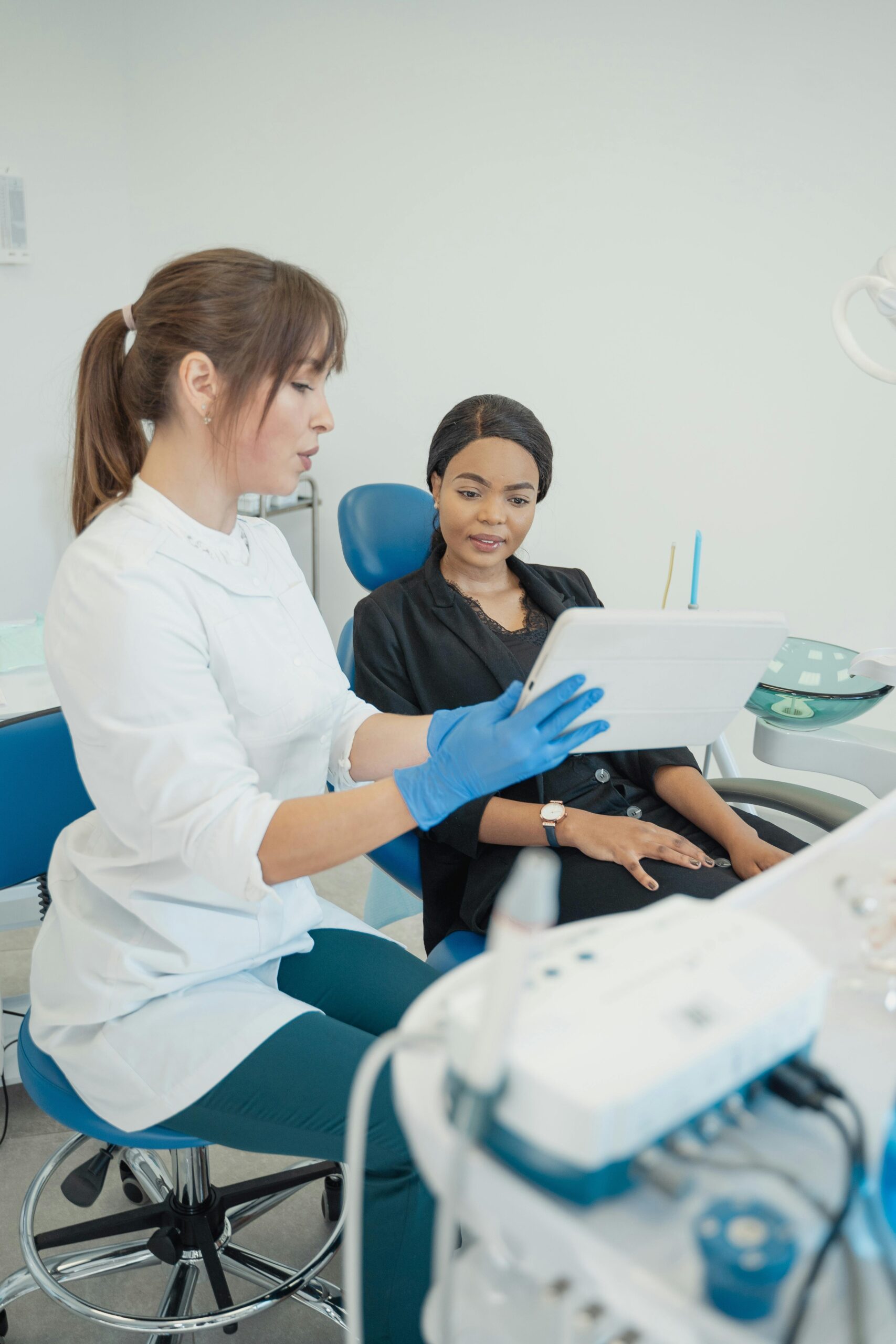
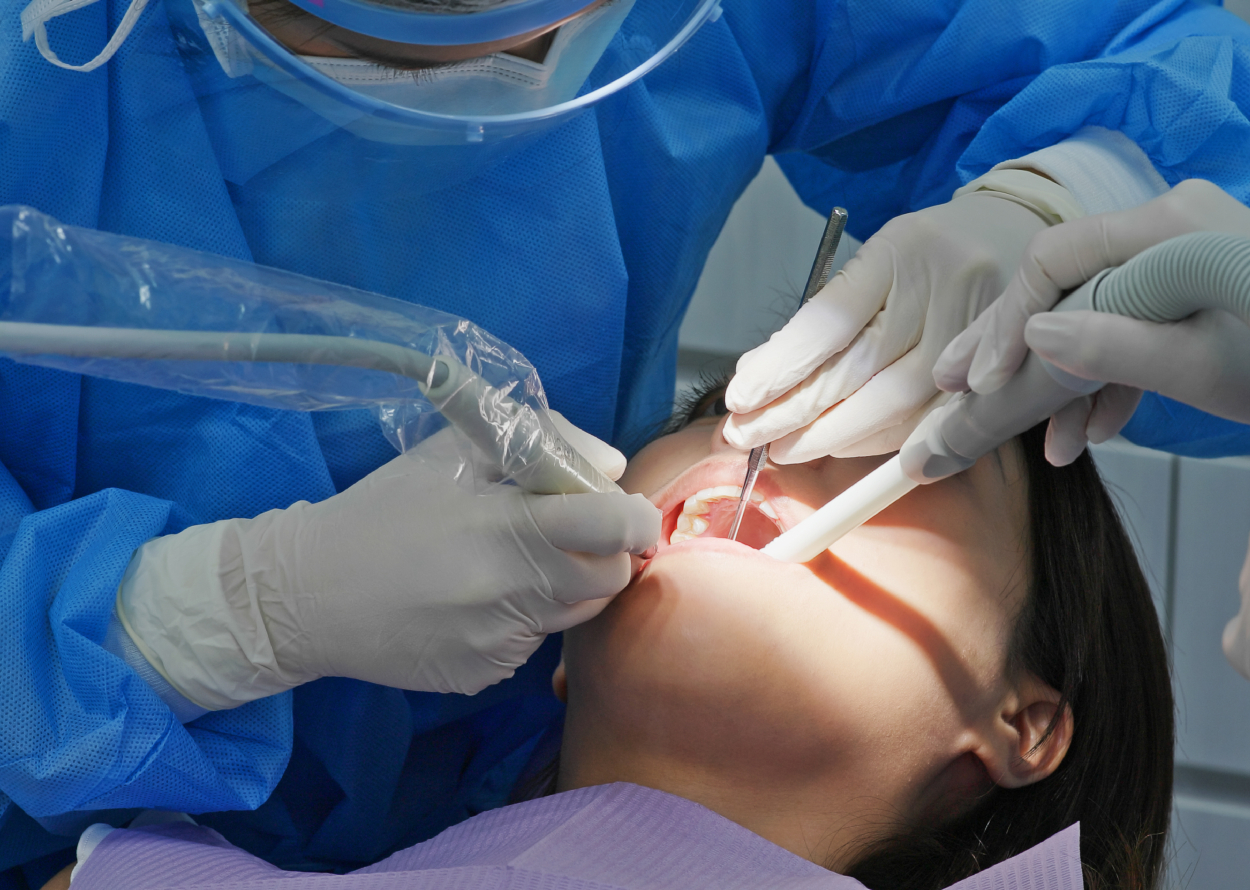
A missing tooth changes more than a smile. It alters the way a person chews, the way words form, and often the way they carry themselves in a room. I have seen people learn to laugh with a hand over their mouth, order softer foods without thinking about it, and quietly avoid photos because they do not like the space in their smile. That kind of self-consciousness rarely stays limited to the mouth. It spills into work, relationships, and everyday comfort.
For many adults, dental implants offer a way back, not just cosmetically, but functionally. When people search for Dental Implants Bakersfield CA, they are usually looking for something deeper than a replacement tooth. They want stability. They want to stop worrying about a denture shifting during dinner or a bridge that depends on neighboring teeth. Most of all, they want to feel normal again.
The appeal of implants is easy to understand. They are designed to replace both the visible tooth and the root underneath it. That matters because the root is what gives the jawbone stimulation. Without it, bone in the area can gradually shrink. Over time, that shrinkage can affect the shape of the gums and even the face. A gap that starts as a cosmetic issue can become a broader oral health problem if left alone for years.
Why implants often feel more like real teeth
The strongest argument for implants is not that they look good, though they usually do. It is that they behave more like natural teeth than most other replacement options. A dental bridge sits above the gumline and relies on adjacent teeth for support. A removable denture can restore appearance and some function, but it still has movement, pressure points, and a different feel when chewing. An implant, once integrated with the bone, tends to feel anchored.
That difference shows up in daily life. People often notice it first with simple things, biting into a sandwich, pronouncing certain sounds, or smiling without mentally checking whether anything is out of place. Confidence is not always dramatic. Sometimes it returns in quiet moments, when a person realizes they have gone several hours without thinking about the missing tooth at all.
In Bakersfield, where many people work active jobs, spend long days on their feet, and value practical solutions over temporary fixes, implants often make sense because they are durable. They are not a quick cosmetic patch. They are a restorative treatment with a surgical component, a healing phase, and a customized final result. That process takes patience, but for the right patient, it can be worth the wait.
What the implant process actually involves
A lot of hesitation comes from not knowing what to expect. The phrase "dental implant" can sound more intimidating than the day-to-day reality. The treatment is usually done in stages, and the details depend on the condition of the tooth site, bone quality, and overall oral health.
First comes the evaluation. A thorough exam usually includes digital imaging, often a 3D scan, so the dentist can assess bone levels, anatomy, and spacing. Not every missing tooth site is ready for an implant immediately. If the tooth was lost recently and infection has cleared, placement may be straightforward. If the tooth has been missing for years, the area may need bone grafting before an implant can be placed securely.
The implant itself is typically a small titanium post inserted into the jawbone. After placement, the area heals over a period that often lasts a few months. During that time, the bone bonds to the implant surface in a process called osseointegration. That bond is the foundation of long-term stability. Once healing is complete, a connector piece and custom crown are added to restore the visible tooth.
Patients sometimes assume the most difficult part is the procedure. In practice, many say the anticipation is worse than the treatment. Discomfort after placement is often manageable with standard post-operative care, soft foods, and a few slower days. The larger challenge is usually the timeline. Implants reward patience, not speed.
The Bakersfield factor: climate, habits, and practical care
There is no special version of implants unique to one city, but local habits and lifestyle do shape treatment decisions. In Bakersfield, heat and dryness can make some people more aware of oral comfort, especially if they already struggle with dry mouth from medications or medical conditions. Dry mouth does not prevent implants, but it can affect tissue comfort and oral hygiene, so it deserves attention early.
Diet matters too. Many adults considering implants have spent years chewing on one side because of a missing or painful tooth. That habit can create uneven wear, muscle tension, and pressure on the remaining teeth. Once an implant is restored, patients often have to relearn balanced chewing. That sounds minor, but it can make a noticeable difference in comfort and function.
Access to follow-up care also matters. Implant treatment is not something to start casually and then ignore. A patient in Bakersfield should choose a provider whose office is realistically accessible for exams, healing checks, and long-term maintenance. Convenience is not just a luxury in dentistry. It affects compliance. People are much more likely to keep necessary visits when the office location, scheduling, and communication style fit their actual life.
Who tends to be a good candidate
A missing tooth alone does not automatically make someone an implant candidate, but many adults qualify after a proper workup. The key factors are broader than people expect. Good bone support helps, but so does healthy gum tissue, controlled medical conditions, and a willingness to care for the implant like a natural tooth.
Age by itself is rarely the deciding issue. I have seen adults in their thirties get implants after sports injuries and adults in their seventies choose them because they were tired of dealing with removable appliances. The better question is whether the mouth and the body can support healing predictably.
Smoking, uncontrolled diabetes, active gum disease, and heavy grinding can complicate treatment. None of those factors automatically rule out implants in every case, but they do raise the need for careful planning and honest discussion. A thoughtful dentist will not promise a one-size-fits-all result. Good implant care is part engineering, part biology, and part patient behavior.
The emotional side of replacing a missing tooth
Dentistry tends to focus on mechanics, measurements, bite force, bone density, crown contours. Those details matter. Still, the emotional impact of tooth loss deserves equal attention. People rarely talk about it openly, but losing a front tooth can feel deeply personal. Even back teeth, which are less visible, can create embarrassment when eating in public or speaking at work.
One patient story stays with me because it captures this well. A man had been missing a premolar for years and insisted it did not bother him because "nobody could see it." During the consultation, it became clear that he had stopped chewing steak on that side, avoided crusty bread, and declined invitations to barbecue dinners because he did not want to fuss with food in front of people. The tooth was not visible, but its absence had quietly reshaped his routines. After treatment, the biggest change he described was not appearance. It was freedom. He stopped planning meals around a weak spot in his mouth.
That is the hidden value of implants. They reduce the mental load that comes with adapting around a missing tooth.
Single tooth implants, multiple implants, and full-arch options
Not every implant case looks the same. Replacing one tooth is different from rebuilding an entire arch, both in technique and cost. A single implant restores one missing tooth without involving neighboring teeth. That is often ideal when the surrounding teeth are healthy and do not need crowns.
When several teeth are missing in different areas, multiple implants may be placed individually or used to support a bridge. In cases of significant tooth loss, a full-arch restoration can sometimes be secured using a smaller number of strategically placed implants. This can be life-changing for patients who have struggled with loose dentures for years.
The trade-offs are real. Full-arch cases can create dramatic functional improvement, but they require very careful planning, excellent home care, and realistic expectations about maintenance. A fixed full-arch prosthesis is not the same as getting a full set of untouched natural teeth back. It can be an outstanding solution, but it is still a prosthetic system that must be monitored over time.
Cost, value, and the difference between expensive and wasteful
When patients ask whether implants are expensive, the honest answer is yes, they can be. They involve surgery, advanced imaging, custom fabrication, and a longer treatment timeline than simpler alternatives. But expensive and wasteful are not the same thing.
A cheaper option can become costly if it fails early, damages neighboring teeth, or leads to repeated repairs. A bridge may be appropriate in some cases, especially if adjacent teeth already need crowns. In other situations, preparing healthy neighboring teeth for a bridge may not be the best long-term trade. Implants often cost more upfront but preserve nearby tooth structure and support the jawbone in ways other options do not.
The right financial question is not only "What does it cost now?" It is also "What am I likely to maintain, repair, or replace over the next ten to fifteen years?" That conversation should include exams, cleanings, imaging when needed, possible night guards for grinders, and the reality that crowns and components can wear with time.
What to ask at a consultation
Patients do better when they ask detailed questions and expect detailed answers. A good consultation should feel educational, not rushed. If you are comparing providers for Dental Implants Bakersfield CA, these are the kinds of questions that usually reveal whether a treatment plan is thoughtful:
- Am I a candidate now, or do I need gum treatment or bone grafting first?
- What imaging will you use to plan placement and avoid anatomical risks?
- Who performs each part of treatment, the surgery, the restoration, and follow-up care?
- What is the realistic timeline from evaluation to final crown?
- How will this implant be maintained over time, especially if I grind my teeth or have a history of gum problems?
Those questions move the conversation beyond sales language. They help clarify whether the plan fits your mouth, your schedule, and your budget.
Healing, maintenance, and what patients underestimate
The implant placement appointment gets most of the attention, but maintenance is what protects the result. An implant cannot get a cavity, but the tissues around it can become inflamed. Plaque still matters. Bite pressure still matters. Night grinding still matters. A beautifully placed implant can struggle if hygiene is neglected or if the restoration is overloaded.
This surprises some patients because implants are often marketed as permanent. The better phrase is long-lasting with proper care. That means brushing thoroughly, cleaning around the implant with the tools recommended by the office, and returning for professional evaluations. In many cases, patients with implants benefit from maintenance intervals tailored to their risk, not just a generic schedule.
Grinding is a particularly important issue. In natural teeth, the periodontal ligament helps absorb some pressure. Implants do not have that same cushioning. https://www.google.com/maps?cid=17479708580987630325 If a patient clenches heavily, the implant restoration may need protective design features and often a night guard. Ignoring that detail is a common reason for chipped porcelain, loose screws, or mechanical wear over time.
Bone grafting and other detours that are not failures
One reason patients feel discouraged during implant planning is when they hear they need "extra work" first. Bone grafting, sinus lifts in the upper jaw, gum treatment, or extraction site preservation can sound like setbacks. In reality, these steps are often signs of careful treatment, not complications.
If bone is too thin or too soft to hold an implant predictably, placing one anyway just to save time is poor judgment. A stronger foundation matters. I would much rather see a case delayed for several months than rushed into a weak result. Patients usually appreciate that honesty once they understand the reason.
The same goes for treating gum disease before implant placement. An implant placed into a mouth with uncontrolled inflammation is being asked to succeed in a poor environment. Stabilizing the gums first is not optional housekeeping. It is part of the treatment.
Appearance matters, but so does architecture
Front-tooth implants deserve special mention because expectations are high. Patients naturally focus on the visible crown, its color, shape, and symmetry. Dentists and specialists think about those things too, but they also think about the gumline, papilla height, lip dynamics, and how the tissue will age around the restoration.
That is why anterior implant cases can be among the most technically demanding. A result can look great in a still photo and less convincing in natural speech or a broad smile if tissue contours are not right. In the front of the mouth, timing, provisional restorations, and tissue shaping often matter just as much as the final crown itself.
For that reason, patients replacing a front tooth should not shop by price alone. They should ask to see actual case examples, not generic stock images, and they should expect a conversation about esthetics that goes beyond "we’ll match the color."
Why confidence returns in stages
People sometimes expect a dramatic emotional transformation the day the final crown is delivered. That can happen, especially in visible cases, but more often confidence returns gradually. First the patient stops worrying about the gap. Then they begin chewing normally again. Then they smile in a photo without thinking about angles. Eventually the restoration becomes unremarkable, which is exactly the point.
That progression matters because it sets healthy expectations. Dental treatment can restore anatomy and function, but confidence also rebuilds through repetition. The first restaurant meal, the first work presentation, the first family picture where the patient does not instinctively close their lips, those moments are where the value of treatment becomes real.
Choosing a provider with the right balance of skill and restraint
Implants are one of the best developments in modern restorative dentistry, but they should never be presented as the automatic answer to every missing tooth. Sometimes a bridge is more practical. Sometimes a removable option is the only realistic path for a patient’s health or finances. Sometimes the right decision is to stabilize the mouth first and delay replacement until conditions improve.
That is why restraint is a mark of quality. A trustworthy provider does not simply tell every patient what they want to hear. They explain what is possible, what is advisable, and what may carry too much risk. They discuss healing times honestly. They talk about maintenance before the procedure, not after. And they can explain why a plan makes biological and mechanical sense.
For anyone exploring Dental Implants Bakersfield CA, the most important goal is not to find the fastest promise. It is to find a team that plans carefully, communicates clearly, and builds treatment around long-term function. A well-done implant should do more than fill a space. It should restore ease, support the surrounding structures, and give the patient back a smile that feels like their own.
When that happens, confidence rarely looks flashy. It looks natural. It sounds like someone laughing freely again, ordering what they want from the menu, and speaking without hesitation. That is the kind of change people notice, even when they cannot tell exactly what changed.
Smyle Dental Bakersfield
2016 E St, Bakersfield, CA 93301, United States
+16614939040
FAQ About Dental Implants Bakersfield CA
What is the downside of a dental implant?
The main downsides of dental implants involve high financial costs, surgical risks, a lengthy healing process, and the potential for long-term complications.
How much does a full set of implants usually cost?
A full set of dental implants (covering both the upper and lower arches) typically ranges from $6,000 to $90,000+, depending heavily on the type of treatment, materials used, and whether the teeth are fixed or removable.
Can I have all my teeth pulled and get implants?
Yes, you can have all your teeth pulled and replaced with dental implants. Instead of placing a separate implant for every single tooth (which is costly and time-consuming), dentists typically use full-arch systems.